U.S. Container Imports Down Sharply in November 2025
Import volumes fell 7.8% YoY with China down nearly 20%. This isn't a collapse—it's a shift toward cautious, selective importing with implications for freight and sourcing.

AI
AI-Generated Content
U.S. container import volumes fell sharply in November 2025, signaling a shift in demand patterns that distributors and supply chain professionals should be watching closely.
What Happened
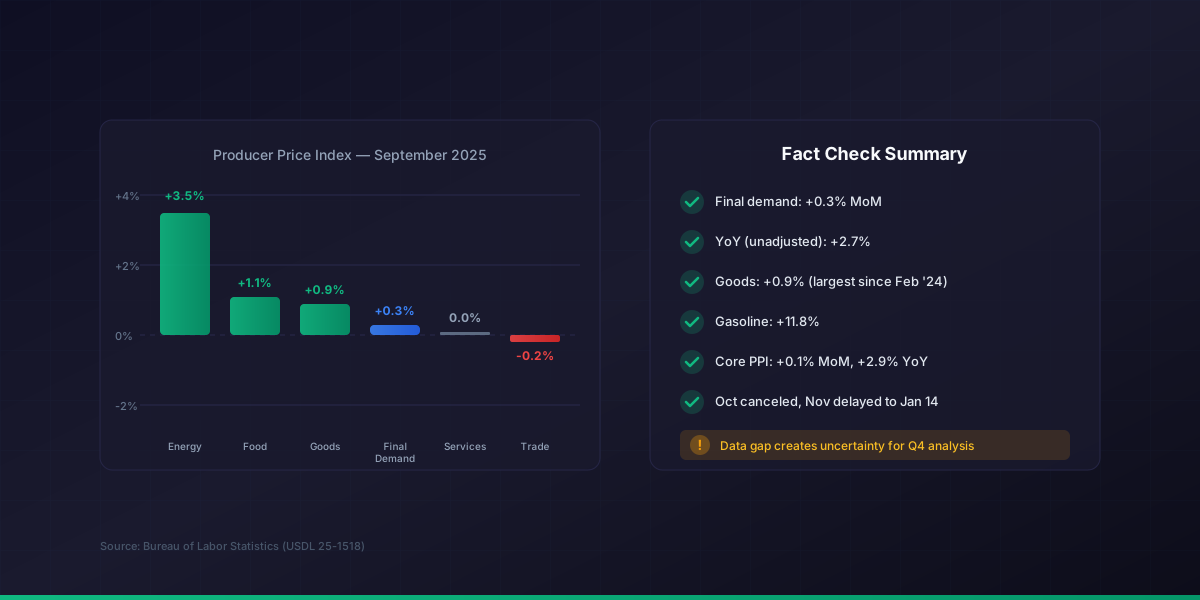
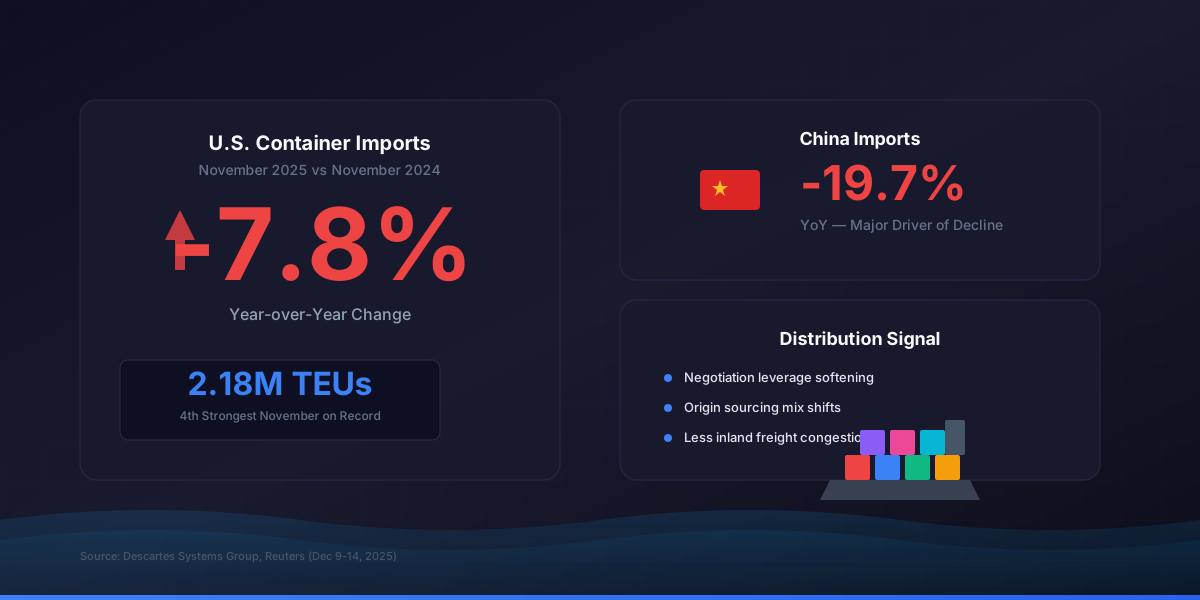
According to data from Descartes Systems Group, U.S. container import volumes fell 7.8% year-over-year in November 2025. Total volumes came in at approximately 2.18 million TEUs (20-foot equivalent units).
Despite the decline, this was still the fourth-strongest November on record—important context that separates this from a collapse narrative.
The biggest driver of the decline: imports from China were down approximately 19.7% YoY, a significant drop that reflects broader shifts in sourcing patterns and trade policy impacts.
Why It Matters for Distribution
For distributors and supply chain professionals, these numbers tell several stories at once:
Demand Cooling
Softer import volumes reflect cautious ordering behavior among retailers and manufacturers. This isn't panic—it's prudence. Companies are being more selective about what they bring in and when.
Inventory Normalization
The decrease follows earlier 2025 weakness and suggests that frontloaded inventory from earlier in the year is fading. Companies that pulled forward orders to get ahead of potential disruptions are now working through that stock.
China Sourcing Shifts
The sharp 19.7% drop from China hints at structural changes. Trade policy impacts (tariffs and geopolitical uncertainty) are clearly affecting traditional supply-chain flows. Diversification strategies are showing up in the data.
Context
It's worth putting these numbers in perspective:
- Year-to-date import totals are still slightly higher than 2024
- Growth has slowed drastically from near-10% earlier in the year
- Seasonal effects contributed—November is a shorter month with Thanksgiving slowdowns
- The China demand trend is broader than seasonal factors alone
Distribution Signal
This isn't a collapse. It's a shift toward more cautious and selective importing.
What to expect in the near term:
- Negotiation leverage softening for certain lanes as capacity loosens
- Mix changes in origin sourcing as companies continue diversifying away from China
- Less pressure on inland freight congestion—at least in the short term
When import volumes decline but stay historically strong, it signals market recalibration rather than crisis. Smart operators use these windows to optimize.